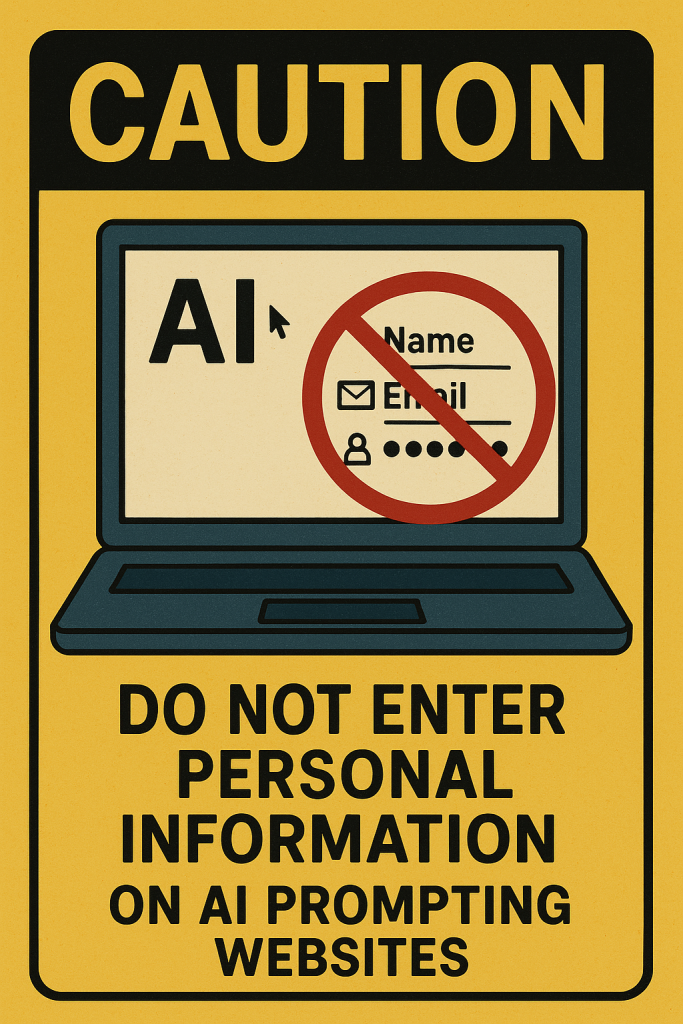
Stay informed. Stay empowered. Stay private.

Category: Tools (Page 1 of 3)

Why Safeguarding Your Prompts and Searchers is Crucial in the AI Era.

Understanding the Risks

In today’s digital landscape, many websites and applications use AI to provide dynamic services—from intelligent recommendations to chatbots—but this convenience often comes at the expense of privacy. When you interact with these systems, every click, keystroke, and conversation may be tracked, recorded, and even used to train new AI models. Additionally, third-party data brokers work behind the scenes to gather and combine data from various sources, including social media platforms, shopping apps, browser histories, and location services. These brokers then create detailed consumer profiles that can be sold to advertisers, insurance companies, or used to develop proprietary AI tools, often without the user’s direct awareness or consent.

This raises an important question: How do you protect your personal information using these services?

Limit Personal Data Input

The most straightforward way to protect yourself is by minimizing the data you share. Before phrasing your queries or submitting information, ask yourself if each detail is essential. Often, you don’t need to include specific things such as your real name, exact location, or any other personally identifiable information. Instead, use more generic terms. For example, if you’re asking for local recommendations, consider stating your region in more general terms (e.g., “in a mid-sized U.S. town” instead of “Boise, Idaho”) to avoid creating detailed personal profiles.

Using Anonymity Tools and Privacy-Focused Software

Taking advantage of privacy-enhancing technologies is a proactive approach. Here are some essential tips:

  • Private or Incognito Browsing: Use your browser’s private or incognito mode to limit cookies and reduce tracking. While not a panacea, it’s a sound first barrier.
  • Virtual Private Networks (VPNs): VPNs mask your IP address, adding an extra layer of anonymity so that websites can’t directly tie your activities to your home network.
  • Privacy-Focused Browsers and Extensions: Consider using browsers such as Brave or Firefox and privacy add-ons like uBlock Origin and Privacy Badger, which actively block trackers and unwanted cookies.
  • Disposable or Pseudonymous Email Addresses: When signing up for services, use email addresses that don’t reveal your identity. Temporary or pseudonymous addresses can serve this purpose well.

These tools collectively create a shield, making it harder for digital entities to combine your online behavior with real-life details.

Understand and Manage Your Data Settings

Many websites provide privacy settings that allow you to manage data retention. Please familiarize yourself with the sites you use by reviewing their privacy policies and terms of service. Look for options such as opting out of data collection or explicitly requesting that your interactions not be utilized for training. While these settings may not always guarantee complete anonymity, they demonstrate a meaningful commitment from the site’s developers to privacy best practices. Establishing and maintaining these habits ensures you make informed decisions using an AI-powered service.

Regular Digital Hygiene

Another layer of defense is routine digital hygiene. This includes:

  • Clearing Cookies and Browser History: Regular deletion of your browser data reduces the chance of persistent tracking.
  • Isolated Browsing Sessions for Sensitive Queries: If you need to explore topics you’d prefer to keep separate from your digital profile, consider using separate browser profiles or even a different browser altogether.
  • Monitoring Permissions: Constantly check the permissions you’ve granted to websites or apps and revoke any that seem excessive or no longer necessary.

Regularly clearing your digital traces, you actively tear down the connections data collectors rely upon.

Advocate for Transparent Practices

As a user and privacy advocate, your voice is powerful. Demand transparency from the websites and apps you use. Contact service providers, asking detailed questions about how they store, retain, and use your data. Support organizations and platforms that prioritize ethical data handling practices. Being informed and vocal protects you and influences broader industry standards over time.

Final Thoughts

Protecting your data in an era of AI-driven interactions requires ongoing vigilance and a proactive mindset. Whether you’re using AI chatbots, interactive websites, or mobile applications, the principles of minimal disclosure, robust privacy tools, prudent digital habits, and advocacy create a resilient defense. Remember, every piece of personal information you withhold makes it much harder to misuse your data.

As we continue to navigate this digital age, consider how these practices may evolve with emerging technologies. You might also explore developing routines that regularly audit your digital footprint or investigate new privacy-focused alternatives to mainstream services. The more you know, the better prepared you will be to engage confidently and securely with the technology that shapes our lives.

Feel encouraged to reflect further on what privacy means in your context and the trade-offs you’re willing—or not willing—to accept in exchange for convenience. What personal details could you safely anonymize or refrain from sharing, and how might this change your online behavior? These are questions that, when answered, could lead you to new, more thoughtful ways of interacting with technology.


The Rise of AI-Powered Sexting: A New Threat to Teen Online Safety.

The Hidden Dangers of AI-Powered Sexting

In today’s digital world, families face new challenges that require extra care and understanding. One concerning trend is the rise of sex texting, also known as sexting, among teens and the increasing role of artificial intelligence in facilitating these interactions. This issue intertwines digital communication, adolescent privacy, and safety, urging parents and guardians to stay informed and proactive.

What Is Sexting?

Sexting happens when someone sends or receives sexually explicit messages, images, or videos through digital devices. While teens may engage in sexting with peers, they sometimes unknowingly interact with adults or AI-powered chatbots designed to mimic human conversations. Examples of sexting include:

  • Flirty or suggestive texts
  • Explicit photos or videos
  • Sexual role-playing through chat

Though some teens see sexting as part of exploring relationships, it carries significant risks, especially when AI is involved.

How AI Is Being Used

Advancements in artificial intelligence have raised concerns about how technology is used to manipulate conversations. AI-powered chatbots can create persuasive messages and imitate the tone and style of trusted peers, making it challenging for teens to distinguish genuine interactions from artificially generated ones.

Some companies have created AI companions designed to engage in conversations, including romantic or sexual role-play. Investigations have discovered AI chatbots on social media platforms involved in explicit exchanges with minors, with some bots even mimicking celebrity voices to seem more trustworthy. In the most alarming cases, cyber predators may use AI to produce deepfakes or misleading content intended to lure minors into compromising situations.

These manipulations blur the lines of consent, creating interactions that can emotionally and psychologically harm teens.

The Harm Sexting Causes Kids

The consequences of sexting can be severe, affecting teens in multiple ways:

  • Emotional distress: Pressure to participate can lead to anxiety, regret, or confusion.
  • Privacy risks: Once explicit content is sent, it can be shared, leaked, or manipulated.
  • Legal consequences: In some places, sending or receiving explicit images of minors—even if they are minors themselves- can lead to serious legal issues.
  • Manipulation and exploitation: AI chatbots and predators can groom teens by making them feel special before exploiting them.

Beyond these risks, the digital footprint left by sexting can have long-term effects, potentially haunting individuals into adulthood.

Signs Parents Should Watch For

Recognizing potential warning signs can help parents intervene early. Some indicators that a teen may be involved in sexting include:

  • Secretive phone use: Hiding their screen or quickly closing apps when someone walks by.
  • Mood changes: Anxiety, withdrawal, or sudden emotional shifts.
  • New online friends: Talking about people they’ve met online but never in person.
  • Unusual language: Using overly mature or suggestive phrases.

Even subtle behavioral shifts can signal risky digital behavior, making parents need to stay alert.

How Parents Can Protect Their Children

There are several proactive steps families can take to safeguard their children:

  1. Talk openly: Have honest conversations about online safety and the risks of sexting.
  2. Set boundaries: Encourage healthy digital habits, such as limiting private conversations with strangers.
  3. Monitor online activity: Use parental controls and check in on social media and messaging apps.
  4. Teach critical thinking: Help teens recognize manipulation and understand that AI chatbots aren’t real friends.
  5. Report concerns: If inappropriate AI interactions are suspected, report them to the platform and seek support.

Education and communication are essential for guiding teens safely through the digital landscape. By grasping how AI is misused and identifying warning signs, families can take proactive steps to safeguard their children from emotional, reputational, and legal consequences.

Supporting a Safer Digital World

Families, educators, and community leaders must collaborate to support teens in this increasingly complex digital landscape. Workshops, open forums, and community discussions can help demystify AI technology and emphasize the importance of privacy and consent in all forms of communication.

By fostering an environment where questions are welcomed and concerns are openly addressed, adults can empower teens to protect themselves and understand the value of their digital identity.

As technology evolves, staying informed and maintaining an open dialogue with our children is more important than ever. By being proactive and engaged, families can help create a safer, healthier online environment.

For additional resources, organizations like the National Center for Missing & Exploited Children offer valuable guidance for families navigating online safety.

How AI Inference Can Lead to Unfair Family Insurance Practices.

The Invisible Algorithm: A Family’s Battle with Unseen Forces

The Johnson family lived a seemingly ordinary life in a quiet suburban neighborhood. Emily, Mark, and their two children, Sarah and Ben, enjoyed their peaceful existence. Little did they know that their lives would be entangled in the intricate web of data and algorithms.

One day, Emily received a letter from their insurance company stating that their family premiums were set to increase significantly. Confused and alarmed, she contacted the company for an explanation. The response she received was both vague and unsettling: “Your risk profile has been updated based on new data insights.”

Unbeknownst to Emily, data brokers silently collected vast information about the Johnson family. Every online purchase, social media post, and fitness tracker data were harvested, analyzed, and sold to various companies. The insurance company, relying on advanced AI algorithms, used this data to determine their risk profile.

The AI algorithm painted a picture of the Johnsons that was far from accurate. It flagged Mark’s purchase of a mountain bike as a potential risk for accidents, Sarah’s frequent visits to fast-food restaurants as a health concern, and even Ben’s online gaming habits as a sign of a sedentary lifestyle. The data broker’s information, though abundant, lacked context and nuance.

Feeling powerless, Emily decided to act. She delved into the world of data privacy, learning about the practices of data brokers and how their information was being used without their consent. She contacted privacy advocacy groups and sought legal advice on protecting her family’s data.

With determination, Emily launched a campaign to raise awareness about the hidden dangers of data collection. She shared her family’s story with neighbors, friends, and local media, shedding light on the need for transparency and accountability in using AI and big data.

Slowly but surely, Emily’s efforts began to bear fruit. Public pressure mounted, leading to new regulations requiring companies to disclose how they used data to determine insurance premiums. Families nationwide started questioning the algorithms that shaped their lives and demanded more control over their personal information.

Ultimately, the Johnsons regained control over their family’s insurance premiums, but the experience left a lasting impact. They learned the importance of data privacy and the power of collective action. Emily’s campaign became a symbol of resistance against the unseen forces of data brokers and AI algorithms, reminding everyone that individual voices can make a difference even in the digital age.

How Insurance Companies Use Data Purchasing and Aggregation to Determine Risk and Premiums

While the above scenario is hypothetical, it brings attention to the potential biases and inaccuracies in how insurance companies use data brokers and AI to create risk profiles. In today’s digital age, insurance companies rely on data purchasing and aggregation techniques to analyze customer behavior and predict risk levels. However, this data-driven approach raises concerns about the data’s quality and fairness.

Data brokers may collect incomplete or outdated information, leading to inaccurate assessments of individuals’ risk levels. Additionally, insurance companies’ algorithms and AI models can inadvertently perpetuate existing biases in the data. This can result in unfair treatment of groups of people and inaccurate coverage and cost estimations.

Data Collection and Aggregation

Insurance companies collect data from various sources, such as:

  • Reward Programs: Participation in grocery store and retail loyalty programs.
  • Credit Card Transactions: Detailed purchase history.
  • Social Media: Public posts and activities.
  • Wearable Devices: Health metrics from fitness trackers and smartwatches.
  • Telematics: Driving data from car insurance telematics devices.
  • Healthcare Providers: Medical records and claims information.
  • Public Records: Property ownership and other government data.
  • Surveys and Questionnaires: Information provided directly by policyholders.

Once collected, this data is aggregated and organized to infer correlations to create comprehensive profiles of individuals, but accuracy is questionable.

Analysis and Inference

Inference involves concluding data using logical reasoning and statistical analysis. Insurance involves identifying correlations and patterns within the aggregated data to predict an individual’s behavior and risk profile. However, large data sets are often biased, which impacts the quality of inferences.

Role of AI in Identifying Behavior Patterns

Artificial intelligence is crucial in analyzing the vast amounts of data insurance companies collect. AI algorithms are designed to sift through this data, identify patterns, and make predictions. Here’s how AI is used in this process:

  • Pattern Recognition: AI algorithms can recognize complex patterns in data that human analysts might miss. For example, an AI system can identify a correlation between an individual’s grocery purchases and their health risks.
  • Predictive Analytics: AI uses historical data to predict future behavior. For example, driving data collected through telematics can help predict the likelihood of future accidents.
  • Risk Categorization: AI can categorize individuals into risk levels by analyzing various data points. For example, a health insurance company might use AI to combine medical records, grocery purchases, and driving behavior to determine an individual’s health risk category.

Determining Coverage and Costs

Based on risk categorization, which may not be accurate, insurance companies can:

  • Set Premiums: Higher-risk individuals may be charged higher premiums, while lower-risk individuals may benefit from lower costs.
  • Customize Coverage: Tailor insurance policies to better match the needs and risks of individual policyholders.

Steps to Limit the Data Used to Determine Your Insurance Premiums

  1. Opt-Out of Data Sharing: Many companies allow you to opt-out. Check the privacy settings of your online accounts and opt out where possible.
  2. Use Privacy Tools: Utilize privacy tools and browser extensions that block tracking cookies and limit data collection.
  3. Be Mindful of Social Media: Limit the personal information you share on social media platforms.
  4. Review Privacy Policies: Read the privacy policies of your services and understand how your data is collected and used.
  5. Request Data Deletion: Some data brokers allow you to request the deletion of your data. Contact them and ask for your data to be removed from their databases.
  6. Use Cash for Purchases: Use cash instead of credit or debit cards to reduce the data collected about your spending habits.

AI and big data have revolutionized the determination of insurance premiums, offering opportunities and challenges. While these technologies enable more personalized and accurate risk assessments, they raise significant concerns about privacy and data security. To navigate this evolving landscape effectively, staying informed and proactive about protecting your personal information is crucial. Privacy Hive is your go-to resource for this. Their insightful blog posts and comprehensive resource center offer valuable tools and techniques to safeguard your family’s privacy.

By leveraging the resources provided by Privacy Hive, you can take actionable steps to limit the data used to determine your insurance premiums and ensure that your privacy remains protected in the age of AI and Big Data. Your family’s privacy is paramount, and Privacy Hive is here to help you maintain it.

Protecting Your Privacy in the Age of AI: Why Venice AI Is the Safer Choice.

Privacy concerns have become paramount in a world where artificial intelligence (AI) is increasingly integrated into our daily lives. As a privacy-conscious individual, it is crucial to understand the potential risks associated with sharing personal information with AI technologies and to explore safer alternatives like Venice AI.

The Privacy Risks of Using AI Technology

You must know how your personal information is handled using AI services like Microsoft Copilot and Google Gemini. These technologies often rely on vast amounts of data to improve their performance, including data collected from user interactions. Here are some key privacy risks to consider:

  • Data Collection and Storage: Many AI services collect and store user data to enhance their models. This data can include sensitive personal information, such as your preferences, habits, and interactions.
  • Potential for Data Breaches: Any stored data is susceptible to breaches, which could expose your personal information to unauthorized parties.
  • Lack of Transparency: It’s unclear how your data is being used, who has access to it, and for what purposes. This lack of transparency makes it challenging to trust that your privacy is respected.

Why You Should Be Careful

Given these risks, it’s essential to be cautious when using AI technologies that handle personal information. Here are a few reasons why you should be careful:

  • Privacy Concerns: Sharing personal information with AI services can compromise your privacy if the data is used in ways you did not intend or consent to.
  • Data Misuse: Your data could be misused or shared with third parties without your knowledge.
  • Loss of Control: When you provide personal information to an AI service, you lose some control over how that data is managed and protected.

Venice AI: A Safer Option for Privacy

Venice AI is a privacy-oriented AI website that prioritizes your privacy and data security. Unlike other AI technologies, Venice AI does not use your personal information to train its models. This approach offers several benefits:

  • Data Minimization: Venice AI minimizes the risk of data breaches and misuse by not collecting or storing personal information.
  • Enhanced Privacy: Venice AI’s commitment to not using your data for model training ensures that your privacy is maintained.
  • Transparency and Trust: Venice AI’s transparent privacy practices and policies foster trust, providing peace of mind that your data is not being used in ways you did not agree to.

Conclusion

While AI technologies like Microsoft Copilot and Google Gemini offer impressive capabilities, knowing the privacy risks associated with these services is essential. By choosing a privacy-oriented option like Venice AI, you can enjoy the benefits of AI without compromising your personal information. Protecting your privacy is vital in navigating the digital age safely and securely.

Protecting Your Digital Life: The 3-2-1 Rule for Secure Storage.

In our digital age, ensuring the safety and accessibility of your family’s essential documents, images, and credentials has become paramount. Enter the 3-2-1 Rule—a simple yet powerful strategy to safeguard your digital items. Following this rule, you can rest assured that your valuable data remains secure and retrievable, even in unexpected events.

Understanding the 3-2-1 Rule

The 3-2-1 Rule stands for:

  1. Three Total Copies: Always have at least three copies of your important data. This means your original document and two additional backups.
  2. Two Different Types of Storage: Store your copies on at least two media or storage solutions. This could be a combination of external hard drives, USB flash drives, or cloud storage services.
  3. One Copy Offsite: Ensure one of your backups is stored offsite, away from your primary location. This could be at a trusted friend’s house, in a safe deposit box, or on a reliable cloud storage platform.

Why Follow the 3-2-1 Rule?

  • Safeguarding Against Data Loss: Multiple copies significantly reduce the risk of losing data due to hardware failure, accidental deletion, or other unforeseen incidents.
  • Diverse Storage Solutions: Using different types of storage ensures that if one technology becomes obsolete or fails, you can still access your data through another medium. For example, you can retrieve your files from the cloud if an external hard drive crashes.
  • Protection from Local Disasters: Storing one copy offsite protects your data from local disasters like fires, floods, or theft. Even if something happens to your home or office, your essential information remains safe and accessible.

Practical Applications

Implementing the 3-2-1 Rule can help you secure a variety of critical digital items, such as:

  • Website Credentials: Keep backup copies of usernames and passwords to avoid losing access to critical accounts.
  • Digital Images: Preserve precious photos, licenses, credit card images, and other essential documents by ensuring they are backed up and protected.
  • Work Documents: Protect your professional files, projects, and reports from being lost due to unexpected technical issues.

Achieving Peace of Mind

Following the 3-2-1 Rule is a proactive step towards protecting your digital life. Knowing that your important data is safely backed up and accessible in case of emergencies provides peace of mind. It’s a simple yet effective strategy that ensures your valuable information is secure, no matter what the future holds.

How Dark Patterns Stir Up Data Privacy Concerns.

Dark patterns are deceptive design techniques used in websites and apps to manipulate users into making decisions they wouldn’t otherwise make, often for the service provider’s benefit. They can take many forms, such as misleading navigation, hidden costs, or complex cancellation processes. User experience designer Harry Brignull coined dark patterns in 2010 to name and shame these deceptive practices.

The creation of dark patterns is often driven by the desire to increase profits, boost engagement, or collect more personal data. By guiding users to make confident choices, companies can benefit financially or gather valuable data for targeted advertising.

Dark patterns can cause significant harm to privacy. They can trick users into sharing more personal information than intended, make it challenging to opt out of data collection, or obscure important privacy-related information. This trickery can lead to losing control over personal data and potential misuse or unauthorized sharing. Moreover, dark patterns can impair consumer autonomy and decision-making, leading to broader harm beyond privacy, such as financial loss or emotional manipulation.

To mitigate these risks, users must be aware of dark patterns, and regulators must enforce consumer protection laws prohibiting deceptive practices. Additionally, designers and developers should commit to ethical design principles, prioritizing user autonomy and privacy.

When discussing dark patterns in the context of privacy, it’s important to highlight how these deceptive design practices can manipulate users into making choices they wouldn’t otherwise make, often leading to the compromise of their data. Below are some key privacy concerns associated with dark patterns:

  • Misleading Design: Dark patterns can disguise ads as independent content or bury critical terms and conditions, leading users to inadvertently give away personal information.
  • Subscription Traps: Some dark patterns make it difficult for users to cancel subscriptions, trapping them in ongoing data collection.
  • Data Harvesting: Companies can collect vast amounts of personal information without explicit consent by tricking users into sharing more data than they intend to.
  • Impaired Decision-Making: Dark patterns can impair consumer choice and decision-making, leading to privacy violations.

Stay Inform

  1. Know the Common Tactics: Educate yourself on dark patterns like pre-checked boxes, countdown timers, and confusing language.
  2. Read Terms and Conditions:  It’s tedious, but understanding the fine print  can save you from unwanted commitments.

Be Skeptical

  1. Question Urgency: If a site pushes you to act quickly with countdowns or limited-time offers, take a step back and assess the urgency.
  2. Avoid Impulse Decisions: Don’t rush into clicking on pop-ups or accepting terms.Take your time to understand what you’re agreeing to.

Use Technology

  1. Browser Extensions: Tools like uBlock Origin or Privacy Badger can help block more aggressive forms of dark patterns.
  2. Password Managers: These can autofill forms, ensuring you don’t accidentally agree to things by clicking through too quickly.

Take Control

  1. Check Privacy Settings: Regularly review and update your privacy settings on social media and other accounts to limit the data you share.
  2. Opt-out: Whenever you see a pre-checked box or unwanted add-ons, take the time to opt-out.

To secure your privacy data against dark patterns, consider the following steps:

  • Use Password Managers: To prevent data breaches, generate and remember different, complex passwords for every account.
  • Enable Two-Step Authentication: This will add an extra layer of security to your accounts, requiring a password and a unique code accessible only to you.
  • Regularly Check Data Breach Status: Use services like Have I Been Pwned? to see if your data has been compromised in any breaches.
  • Prune Wi-Fi Networks: Delete known networks from your devices to prevent automatic connections to potentially malicious Wi-Fi hotspots.
  • Be Cautious Online: Practice cautious behavior online, such as avoiding clicking on suspicious links or sharing sensitive information on unsecured sites.

Being aware of dark patterns and taking proactive measures to protect your data can significantly reduce the risk of privacy breaches and maintain control over your personal information. While total privacy may be challenging, these steps can help you safeguard your digital footprint.

Shielding Your Gadgets from Prying Eyes.

Protecting Your Family’s Digital Privacy with Faraday Bags

In today’s digital age, safeguarding your family’s privacy is more crucial than ever. With the increasing prevalence of cyber threats, tracking, and data breaches, it’s essential to take proactive measures to protect your digital devices. One effective tool in your privacy arsenal is the Faraday bag. But what exactly is a Faraday bag, and how can it help protect your family’s digital privacy? Let’s dive in.

What is a Faraday Bag?

A Faraday bag is a specialized enclosure that blocks electromagnetic fields (EMFs) and radio frequencies (RFs). Named after the scientist Michael Faraday, who invented the Faraday cage in 1836, these bags are made from materials like copper or aluminum that create a shield around your electronic devices. This shield prevents external signals from penetrating the bag and reaching your devices, effectively isolating them from wireless communication.

How Does a Faraday Bag Work?

When you place an electronic device inside a Faraday bag, it becomes disconnected from all wireless signals, including cellular, Wi-Fi, Bluetooth, and GPS. Your device cannot send or receive data, making it invisible to tracking and hacking attempts. The bag is a physical barrier, ensuring no electromagnetic interference can reach your device.

Benefits of Using a Faraday Bag

Preventing Tracking and Surveillance: Many electronic devices, like smartphones, have GPS and location-tracking capabilities. While these features are convenient, they also risk your privacy. By storing your phone in a Faraday bag, you can prevent third parties from monitoring your location and movements.

Protecting Against Remote Hacking: Hackers can exploit vulnerabilities in your device’s software to gain unauthorized access to your personal information. Keeping your devices in a Faraday bag when not in use adds an extra layer of protection against these intrusive threats.

Securing Keyless Entry Systems: Modern cars often have keyless entry systems vulnerable to relay attacks. Thieves can intercept and amplify the signal from your key fob to unlock and steal your car. Storing your key fob in a Faraday bag blocks the signal, preventing such attacks.

Digital Detox: In an age where we are constantly bombarded with notifications and updates, finding time to unplug and recharge can be challenging. Using a Faraday bag can help you disconnect from the digital world and enjoy much-needed downtime.

Practical Tips for Using Faraday Bags

For Smartphones: Place your phone in a Faraday bag during sensitive meetings or when you want to ensure your location and conversations remain private.

For Key Fobs: Always store your car key fob in a Faraday bag at home or in public places to prevent relay attacks.

For Laptops and Tablets: Use larger Faraday bags to protect your laptops and tablets, especially when traveling or storing sensitive information.

Conclusion

Faraday bags are a simple yet powerful tool for enhancing your family’s digital privacy. By blocking electromagnetic fields and radio frequencies, these bags effectively create a barrier against tracking, hacking, and other privacy threats. Incorporating Faraday bags into your privacy routine can help ensure your family’s digital devices remain secure and private.

Stay safe and protect your family’s digital world!

Encrypt Your Family’s Data for Ultimate Privacy.

Disk Encryption: The Key to Protecting Your Family’s Digital World

In today’s digital age, our lives are intertwined with technology. Our computers hold a treasure trove of sensitive information, from family photos and personal documents to financial records and private communications. But what happens if your laptop falls into the wrong hands? This is where disk encryption comes into play, acting as a digital lock to safeguard your family’s data.

What is Disk Encryption?

Disk encryption is a security measure that encodes all the data on your computer’s hard drive, making it unreadable to anyone who doesn’t have the decryption key. Think of it as turning your data into a secret code that only you can unlock.

Why is Disk Encryption Important?

Protection from Theft and Loss Imagine losing your laptop or having it stolen. Anyone who gets their hands on your device can access all your files without encryption. Disk encryption ensures that even if your computer is lost or stolen, your data remains secure and inaccessible to unauthorized users.

Safeguarding Personal Information: Our computers store a vast amount of personal information, from family photos to sensitive documents. Disk encryption protects this information from prying eyes, ensuring your family’s privacy is maintained.

Compliance with Privacy Regulations: With increasing concerns about data privacy, many regulations require the protection of sensitive information. Disk encryption helps you comply with these regulations, reducing the risk of hefty fines and legal issues.

Peace of Mind: Knowing that your family’s data is protected provides peace of mind. You can rest easy knowing your personal information is safe, even in a security breach or physical theft3.

How to Implement Disk Encryption

Implementing disk encryption is easier than you might think. Modern operating systems offer built-in encryption tools, including Windows, macOS, and Linux. Here’s a quick guide to get you started:

Windows: Use BitLocker, a built-in encryption feature available in Windows Pro and Enterprise editions. Search for BitLocker in your system settings and follow the prompts to enable it.

macOS: Use FileVault, which is built into macOS. Go to System Preferences > Security & Privacy > FileVault and click “Turn On FileVault.”

Linux: Use LUKS (Linux Unified Key Setup), a standard for Linux disk encryption. You can enable it during the installation of your Linux distribution or use tools like Cryptsetup to encrypt your existing data.

Conclusion

In a world where digital threats are ever-present, disk encryption is vital for protecting your family’s data. Encrypting your computer’s hard drive ensures that your personal information remains secure, providing peace of mind and safeguarding your family’s privacy. So, take the step today to lock down your digital fortress and keep your family’s data safe.

The Great Financial Escape: How Masked Credit Cards Shield Your Purchases.

In an age where digital transactions are as daily as morning coffee, protecting your financial privacy has never been more crucial. Enter the masked credit card, a superhero in personal privacy. Much like a masked vigilante protects their identity, a masked credit card shields your financial details from potential threats lurking in the depths of the digital world.

Why Masked Credit Cards?

Masked credit cards, also known as virtual credit cards, offer a unique card number, expiration date, and security code that you can use for online purchases. This “mask” creates a barrier between your accurate banking information and the merchants you transact with, ensuring your sensitive data remains unseen and secure.

Imagine making an online purchase from a new website. The uncertainty of the site’s security can be daunting. With a masked credit card, you can generate a one-time number that becomes invalid after use, rendering any stolen information useless to cyber thieves. It’s like having a disposable phone number for your finances.

The Importance of Financial Privacy

In the digital era, personal information is currency, and financial details are the gold standard. A breach can lead to identity theft, economic loss, and a significant invasion of privacy. Masked credit cards act as a firewall, protecting you from such violations and preserving your right to financial autonomy.

Virtual or masked cards are a secure way to handle online transactions for one-time purchases and recurring payments with spending limits. Here’s how they work:

For One-Time Purchases:

  • When you make a one-time purchase, you can generate a virtual card number linked to your credit card or bank account but not expose your card details.
  • This number can expire after the transaction is complete, ensuring it cannot be used again. This is particularly useful for purchases from unfamiliar websites or vendors.
  • You can also set a spending limit for this virtual number, which can be your purchase amount, preventing additional unauthorized charges.

For Recurring Purchases with Annual Spending Limits:

  • Virtual cards like subscriptions or memberships can be tailored for recurring payments.
  • You can create a virtual card with a specific spending limit that auto-refills based on the subscription period, such as monthly or annually. This allows you to control your budget and ensures you don’t exceed your intended spending for the year on those services.
  • In both cases, you can manage these virtual cards through your bank’s website or mobile app, giving you control over when to freeze, cancel, or set the expiration date for each card.

Services That Offer Masked Credit Cards

  • Privacy.com: Designed to offer security for your financial transactions by generating unique virtual card numbers for each purchase or subscription.
  • Klutch: Offers programmable virtual credit cards with features like single-use numbers and spending limits.
  • IronVest (formerly Blur): Provides masked credit cards and emails as part of its privacy services.

As we navigate the digital landscape, the importance of financial privacy cannot be overstated. Masked credit cards are not just a convenience; they are a necessity. They empower us to take control of our data, ensuring that our financial lives remain private, just as they should be. So, when protecting your financial data, remember: a virtual credit card is like a digital ninja—permanently masked, never revealed, and your best defense against the dark arts of data breaches.

Peek-Proof Your Pixels: Unleash The Power Of Webcam Covers.

The Essential Guide to Webcam Privacy: Combining Convenience and Security

In our technology-driven world, privacy is a paramount concern, and one often overlooked aspect is the humble webcam. These small lenses, found in our computers, phones, and even baby monitors, can inadvertently become a gateway for intruders to invade our private moments. The solution, however, is both simple and effective: webcam covers.

Why Webcam Covers Are Crucial

Protection Against Camfecting: Hijacking a webcam, known as camfecting, poses a real threat. Hackers can gain control of your camera through phishing links or compromised websites, sometimes without triggering the ‘on’ light, allowing them to watch you silently.

Security During Video Meetings: With the rise of virtual meetings, webcams are in constant use. A webcam cover lets you decide when you’re visible, providing security even if your camera turns on by default.

Types of Webcam Covers

  • Sliding Covers: These are convenient for laptops; they can be opened or closed as needed and are a popular choice for ease of use.
  • Sticker Covers: Reusable stickers that are less expensive and offer a chance to personalize your device.
  • Built-In Camera Sliders: Some manufacturers now include built-in cameras in response to privacy concerns, adding trust and convenience.

Optimal Situations for Webcam Covers

  • Computers: Whether it’s a laptop with a built-in webcam or a desktop computer with an external USB camera, covers provide a discreet and hassle-free solution to maintain privacy.
  • Mobile Devices: A webcam cover adds an extra layer of privacy without damaging the lens for smartphones and tablets.
  • Baby Monitors and Smart Home Devices: Protect your child’s privacy with a webcam cover for baby monitors and cover cameras on smart home devices when not in use.

The Benefits of Webcam Covers

  • Affordability: Webcam covers are a cost-effective way to protect yourself, often costing just a few dollars for significant peace of mind.
  • Ease of Use: These covers are thin, discreet, easy to apply or remove, and suitable for tech novices and seasoned users.

Conclusion

Never underestimate the importance of a webcam cover. It’s a small accessory that plays a significant role in ensuring your private life stays private. As we continue to navigate the digital landscape, remember that laptop camera covers are a small but vital step towards proactive privacy protection. So, cover up and take control of your digital life with confidence.

« Older posts

© 2025 Privacy Hive Blog

Theme by Anders NorenUp ↑

WordPress Cookie Plugin by Real Cookie Banner