Stay informed. Stay empowered. Stay private.

Month: July 2024

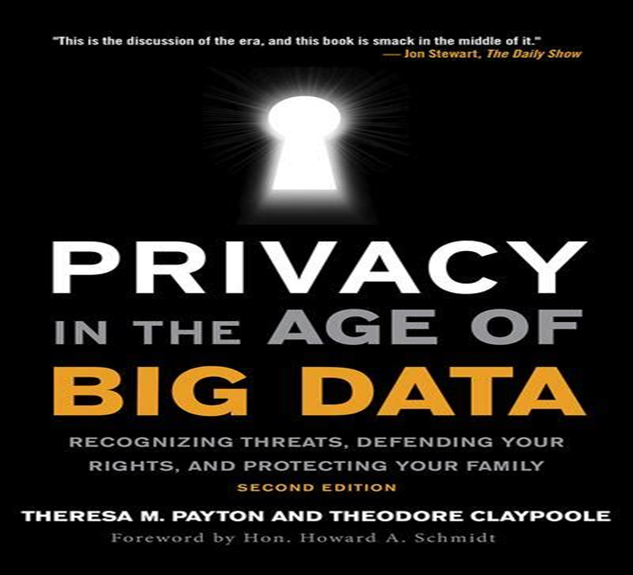
Privacy in the Age of Big Data: Recognizing Threats, Defending Your Rights, and Protecting Your Family Second Edition.

In an era where digital footprints are as common as physical ones, “Privacy in the Age of Big Data” emerges as a crucial guide for navigating the treacherous waters of online privacy. Authors Theresa M. Payton and Ted Claypoole embark on a mission to demystify the complex world of digital data collection and surveillance, offering readers hope in what often feels like an inescapable dungeon.

The book delves into the pervasive nature of data collection, a phenomenon that has become more invasive with each passing day. Payton and Claypoole do not merely present the problem; they empower readers with the tools and knowledge to protect their personal data proactively. The narrative is straightforward and no-nonsense, making it accessible to those who are not tech-savvy.

What sets this book apart is its balanced view. While highlighting the many positive outcomes of digital surveillance, such as enhanced security and convenience, it also sheds light on the darker side—where data collection can become insidious and overreaching. The authors skillfully introduce how we are watched, often without our consent or knowledge, and how to adjust our behaviors to reclaim our privacy.

The updated edition is particularly timely, addressing the rapid changes in data regulation and the public’s growing sensitivity to privacy issues. It reflects on the fragmentation of social media, the introduction of new data-capturing systems, and the accelerated data trends due to the pandemic, such as contact tracing apps and QR codes. This book is a vital resource for understanding and navigating these evolving challenges. This book is essential for anyone who uses digital devices—and in today’s world, that’s nearly everyone!


Privacy Preserved: How Archiving Sites Can Keep Your Data Safe.

Enhancing Your Online Privacy with Archiving Sites

Maintaining online privacy is more crucial than ever in today’s digital age. One often overlooked tool in the privacy arsenal is archiving sites. These platforms, designed to preserve web content, can also significantly protect your digital footprint. Here’s how you can leverage archiving sites to enhance your online privacy.

What Are Archiving Sites?

Archiving sites, such as the Wayback Machine and Archive.Today, capture and store snapshots of web pages. These snapshots are preserved over time, allowing users to access historical versions of websites. While their primary purpose is to maintain a record of the web, they offer several privacy benefits.

Benefits of Using Archiving Sites for Privacy

Reducing Digital Footprint: Archiving sites can minimize the personal data you leave online. Instead of bookmarking or saving web pages directly in your browser, which can be tracked, you can archive the pages and access them through the archiving site.

Accessing Content Anonymously: When you view a web page through an archiving site, the original website does not log your visit. This means you can access content without revealing your IP address or other identifying information to the site owner.

Preserving Important Information: Archiving sites allow you to save important web pages without relying on the original site to keep the content available. This is particularly useful for preserving privacy policies, terms of service, or any other critical information that might change or be removed over time.

Avoiding Tracking and Ads: Many websites track user behavior and display targeted ads. Accessing these sites through an archive site can prevent tracking and reduce the number of ads you see.

How to Use Archiving Sites for Privacy

Archiving a Page: To archive a page, visit an archiving site like the Wayback Machine or Archive. Today, enter the URL of the page you want to save and follow the instructions to create a snapshot. This snapshot will be stored and accessible in the future.

Accessing Archived Pages: To view an archived page, go to the archiving site and search for the URL or keywords related to the page. You can then browse the historical versions of the page without visiting the original site.

Sharing Archived Links: Consider using archived versions when sharing links with others. This not only preserves the content as you saw it but also protects the privacy of those who click the link by preventing tracking from the original site.

Regularly Archiving Important Pages: Make it a habit to archive important pages regularly. This ensures you can access the information you need without relying on the original site, which may change or remove content.

Conclusion

Archiving sites are a valuable tool for enhancing your online privacy. You can take control of your online presence by reducing your digital footprint, accessing content anonymously, preserving important information, and avoiding tracking. Incorporate archiving sites into your privacy strategy and enjoy a safer, more private browsing experience.

Freeze it, Ease it: Your Credit’s Secret Superpower!

The Importance of Placing a Credit Freeze

In today’s digital age, protecting personal information is more crucial than ever. A credit report is a treasure trove of personal details, and the consequences can be dire if it falls into the wrong hands. Identity theft, fraud, and financial ruin are just a few potential outcomes of a data breach. One of the most effective ways to safeguard your credit report from unauthorized access is by placing a credit freeze.

What is a Credit Freeze?

A credit or security freeze restricts access to your credit report. Potential creditors cannot view your credit history, effectively preventing the opening of new accounts in your name. It’s a powerful tool in the fight against identity theft and fraud, especially in the wake of significant data breaches like the one Experian experienced.

Benefits of a Credit Freeze

  • Prevents New Account Fraud: With a freeze in place, identity thieves cannot open new accounts, as creditors cannot check your credit.
  • Peace of Mind: Knowing that your credit report is secure can provide significant relief in an era where data breaches are all too common.
  • No Impact on Credit Score: Freezing your credit does not affect your credit score or hinder your ability to use existing credit accounts.
  • Free Service: As mandated by law, placing a credit freeze is free of charge.

How to Place a Credit Freeze

  • Gather Necessary Information: Confirm you have all essential personal details such as your Social Security number, address, birth date, and a valid ID.
  • Contact Credit Bureaus: Contact each of the three major credit bureaus—Equifax, Experian, and TransUnion—online, by phone, or by mail to initiate a freeze on your report.
  • Confirmation and PIN: Each Bureau will issue a confirmation of the freeze along with a personal identification number (PIN) or password. Safeguard this information for future use when you need to remove the freeze.

Lifting a Credit Freeze

  • Access the Services of Each Central Credit Bureau: You can do this through their online platform or phone service.
  • Provide Your PIN or Password: You must input the PIN or password you received when the freeze was initially established.
  • Specify the Duration: Decide the timeframe for lifting the freeze. It could be for a set period or until you reinstate it.
  • Adhere to the Bureau’s Guidelines: Follow the Bureau’s guidelines to finalize the lift. This step is usually swift and can be executed promptly.

Conclusion

A credit freeze is a potent tool for protecting your financial well-being. It’s a proactive step that can save you from the headaches of dealing with the aftermath of identity theft. By understanding the importance of a credit freeze and the steps to implement one, you can take charge of your financial security and enjoy greater peace of mind. And remember, when it comes to personal privacy, a credit freeze isn’t just a feature; it’s your financial superhero cape! Let us know what you think; please comment below or Contact Us.

Auto-Biography: How Your Car Knows You Better Than You Think!

In today’s world, your car does more than get you from point A to B; it’s a rolling hub of digital intelligence. As we embrace technology, our vehicles are turning into personal data collectors. They know our routes, hear our conversations, and even hold onto our details through onboard systems. But with all these innovative features, we must ask ourselves: How do we keep our private life private on the road?

What Your Car Knows About You: A Quick Look Under the Hood

Your modern ride has various sensors, mics, cameras, and connectivity systems that gather much info. Here’s a snapshot of what your car might be keeping tabs on:

  • GPS Tracking: Your car’s built-in GPS always knows your whereabouts.
  • Audio and Visual Records: Those voice commands and dash cams capture your chats and trips.
  • Biometric Insights: Some high-tech models even measure biometrics for a tailored driving experience.
  • Smartphone Sync-Up: Hook up your phone, and your car’s system will now access your contacts and conversations.
  • Telemetry Reports: That SIM card in your car? It’s busy sending out data on how you drive, the car’s condition, and more to car makers and insurers.

Steering Clear of Privacy Potholes: Tips to Lock Down Your Data

To keep your info under wraps, you might want to consider these steps:

  • Know Your Car’s Privacy Terms: Take a moment to read through what data your car collects and what its purpose is.
  • Choose Connections Wisely: Think twice about what you plug into your car and the access you allow.
  • Privacy Maintenance Tools: Use apps like Privacy4Cars for insights on collected data and how to wipe it clean.
  • Data Detox: Clear out your data regularly, especially before parting ways with your vehicle.
  • Opt-Out Options: Turn off data collection settings in your car’s system if available.
  • Secure Your Signals: Keep your car’s Wi-Fi and Bluetooth locked down to keep digital intruders at bay.
  • Stay on Top of Privacy Trends: Keep an eye on the latest in-car privacy and security to avoid new risks.

To wrap it up, as our cars transform into mobile data centers, we must be proactive about the digital breadcrumbs we leave. By managing and safeguarding our data, we can enjoy the perks of connected cars without sacrificing our privacy. Remember, in the digital realm, the best defense is a strong offense. Drive smart, drive private.

© 2025 Privacy Hive Blog

Theme by Anders NorenUp ↑

WordPress Cookie Plugin by Real Cookie Banner