Joy Buolamwini’s research highlights the hidden biases in AI systems, particularly facial recognition technology. Her findings at MIT revealed a disturbing truth that systems often fail to identify darker-skinned faces, a flaw that could lead to grave discrimination. To address this, she founded the Algorithmic Justice League, a platform advocating for more equitable AI. The lack of regulation around AI systems poses a clear and present danger to civil rights and privacy. If not promptly addressed, these biases could perpetuate inequality on a massive scale.
“Unmasking AI” is an essential read for anyone concerned with the intersection of technology and civil rights. Buolamwini’s work reminds us that AI should be for and by the people, not just the privileged few. Her book urgently highlights the need to safeguard our human essence in an age where technology is becoming more dominant.
As Memorial Weekend approaches, many look forward to commemorating those who have served our country, often by gathering with friends and family over good food and drinks. With the convenience of food delivery services, it’s easier than ever to enjoy a feast without the hassle of cooking or braving the holiday crowds. However, this convenience has a caveat: the need to share personal information.
Why Sharing Personal Information Can Be Risky
When you use food delivery services, you’re typically asked to provide your name, email address, and phone number. This information can be used to:
Track Your Purchasing Habits: Companies analyze your data to target you with ads and offers.
Sell to Third Parties: Your details could be sold to marketers or other businesses without your consent.
Risk of Data Breaches: Cybercriminals could access your personal information if there is a security breach.
Securing Your Privacy
Here are some ways to protect your privacy when using food delivery services:
Use Strong Passwords: Create unique and strong passwords for your accounts to prevent unauthorized access.
Monitor Account Activity: Regularly check your account for unauthorized orders or suspicious activity.
Read Privacy Policies: Read the service’s privacy policy to understand how your data is used. This can help you make informed decisions about what information to share.
Limit Shared Information: Provide only the information required for the service. For example, you cannot save your payment information on the app.
Use Privacy-Enhancing Features: Some apps offer privacy features, such as masking your phone number when communicating with the delivery person.
Stay Informed: Stay current with the latest privacy practices and settings offered by the food delivery service.
Use a Dedicated Email: Create an email account for service sign-ups to avoid spam in your inbox.
Limit Information Sharing: Provide only the essential details required for delivery and question any unnecessary requests for personal data.
Use App Permissions Wisely: Be cautious about granting apps access to your location or contacts.
Opt for Privacy-Focused Payment Options: Use prepaid cards or payment services that don’t require sharing your credit card information.
By being mindful of the information you share and protecting your privacy, you can enjoy the convenience of food delivery services without compromising your data. This Memorial Weekend, honor our heroes while safeguarding your digital footprint. Remember, while convenience matters, protecting your personal information is equally important. Following these guidelines allows you to enjoy food delivery services without compromising privacy. Bon appétit!
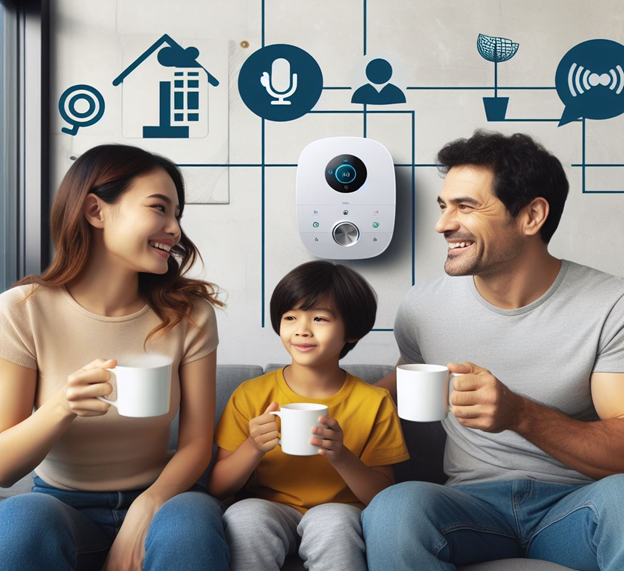
Electronic doorbells and thermostats are smart home devices that can make our lives more convenient and comfortable. However, they also pose significant privacy risks that we should be aware of and take steps to mitigate.
How do they collect information?
Electronic doorbells, such as Ring and Nest Hello, are equipped with cameras and microphones to capture video and audio of anyone approaching your door. They can also connect to your smartphone and send you alerts and notifications. Some models even allow you to communicate with visitors remotely through the app.
Electronic thermostats, such as Nest and Ecobee, can monitor and adjust the temperature and humidity of your home based on your preferences and habits. They can also connect to your smartphone and other smart devices, such as speakers and lights, to create a personalized and automated environment.
Both devices can collect and store much data, such as your face, voice, location, schedule, behavior, and preferences. This data can reveal sensitive and personal information about you and your household, such as your identity, health, lifestyle, and activities.
How do they invade your privacy?
Electronic doorbells and thermostats can invade your privacy in several ways, such as:
Allowing unauthorized access: If the devices are not properly secured, hackers or malicious actors can access them remotely and spy on you or your visitors. They can also access your wireless network, e-mail addresses, and other personal data. Hackers exploited those vulnerabilities and harassed, insulted, and propositioned children and teens through their Ring cameras.
Sharing without consent: If the devices are connected to third-party services or platforms, such as cloud storage, social media, or law enforcement agencies, they can share your data without your explicit consent or knowledge. For example, Ring has partnered with over 2,000 police departments across the US to provide them access to users’ videos upon request, without requiring a warrant or notification. This can potentially violate your Fourth Amendment rights and expose you to legal risks.
Violating others’ privacy: If the devices are pointed at public spaces or your neighbors’ property, they can capture and record people with a reasonable expectation of privacy. This can create ethical and social dilemmas, as well as potential lawsuits.
How can you protect your privacy?
Electronic doorbells and thermostats can offer many benefits but also have serious privacy risks. To protect your privacy, you should take some precautions, such as:
Secure your devices: Use strong passwords, enable two-factor authentication, update the software regularly, and turn off any unnecessary features or permissions. Using a secure wireless network to encrypt your data would be best.
Review the terms and settings: You should read and understand the terms of service and privacy policy of the devices and the apps. You should also review and adjust the settings to limit the data collection and sharing. It would be best to opt out of any third-party partnerships or programs you are uncomfortable with.
Respect others’ privacy: You should respect the privacy of your visitors and neighbors. You should inform them of the presence and purpose of the devices and obtain their consent before recording or sharing their data. You should also avoid pointing the devices at places where they have a reasonable expectation of privacy.
Electronic doorbells and thermostats are not just gadgets but also potential privacy invaders. By being aware of the risks and taking steps to mitigate them, you can enjoy the convenience and comfort of these devices without compromising your privacy.
A burner phone number is a temporary or disposable number you can use for various purposes without revealing your cell carrier phone number. You might need a burner phone number for reasons such as:
Protecting your privacy and security from unwanted callers, marketers, scammers, or stalkers.
Maintaining anonymity for online activities like dating, shopping, or whistleblowing.
Avoiding spam and robocalls on your primary phone number.
Have a backup or emergency phone number in case of loss, theft, or damage to your primary phone.
Separating your personal and professional life, such as for freelance work, job hunting, or business deals.
There are two main ways to get a burner phone number:
Buy a cheap phone with a SIM card or a service like Mint: This option involves buying a low-cost phone and a prepaid SIM card or a service that offers cheap plans. You can use this phone as your burner and discard it when you are done. The pros of this option are that you get a physical device that you can utilize for calls, texts, and other functions and that you don’t need an internet connection. The cons are that you must pay for the phone and the service and carry an extra device.
Download a burner phone app: This option involves downloading an application that provides you with a virtual phone number that you can use on your existing smartphone. Depending on the app, you can utilize this number for calls, texts, and other features. The pros of this option are that you don’t have to buy or carry an extra device and can get multiple numbers and manage them easily. The cons are that you need an internet connection to use the app and must pay for the app or the service unless you use a free app.
There are many burner phone apps available for Android and iOS devices. Here are three of the most popular ones:
Burner: This is one of the best-known and most straightforward burner phone apps. It offers numbers for the US and Canada, with local area codes. You can use the number for calls, texts, and picture messages and delete or switch the number anytime. You can also integrate the app with various services like Dropbox, Evernote,Slack, and SoundCloud. The app is free to download and comes with a 7-day trial period. After that, you must pay for a subscription or a prepaid plan, starting from $4.99 monthly for one line.
Hushed: This is another popular burner phone app that offers numbers for over 40 countries, including the US, Canada, the UK, and Puerto Rico. You can use the number for calls, texts, and picture messages and delete or switch the number anytime. You can also customize your voicemail greeting and set up call forwarding. The app is free to download and comes with a 3-day trial period. After that, you must pay for a subscription or a prepaid plan, starting from $1.99 monthly.
CoverMe: This is a burner phone app that also offers secure messaging and encryption. You can use the number for calls and texts and send encrypted messages, photos, videos, and documents to other CoverMe users. You can also hide your contacts, messages, and call logs with a private vault and set up self-destructing messages and decoy passwords. The app is free to download and comes with some free credits. After that, you must pay for more credits or a subscription, starting from $2.99 monthly.
In conclusion, embracing the use of a burner phone number is a savvy move for anyone looking to bolster their privacy in an increasingly interconnected world. It’s a simple yet effective layer of defense that keeps your number out of the public domain, shielding you from unwanted calls and potential data breaches. Whether navigating online marketplaces, setting up accounts, or dating online, a burner number is your privacy shield, keeping your accurate contact details under wraps. Remember, in the digital age, your personal information is as precious as gold; protect it wisely. Stay informed, stay secure, and let burner phone numbers be your stealthy companion in the quest for digital privacy.
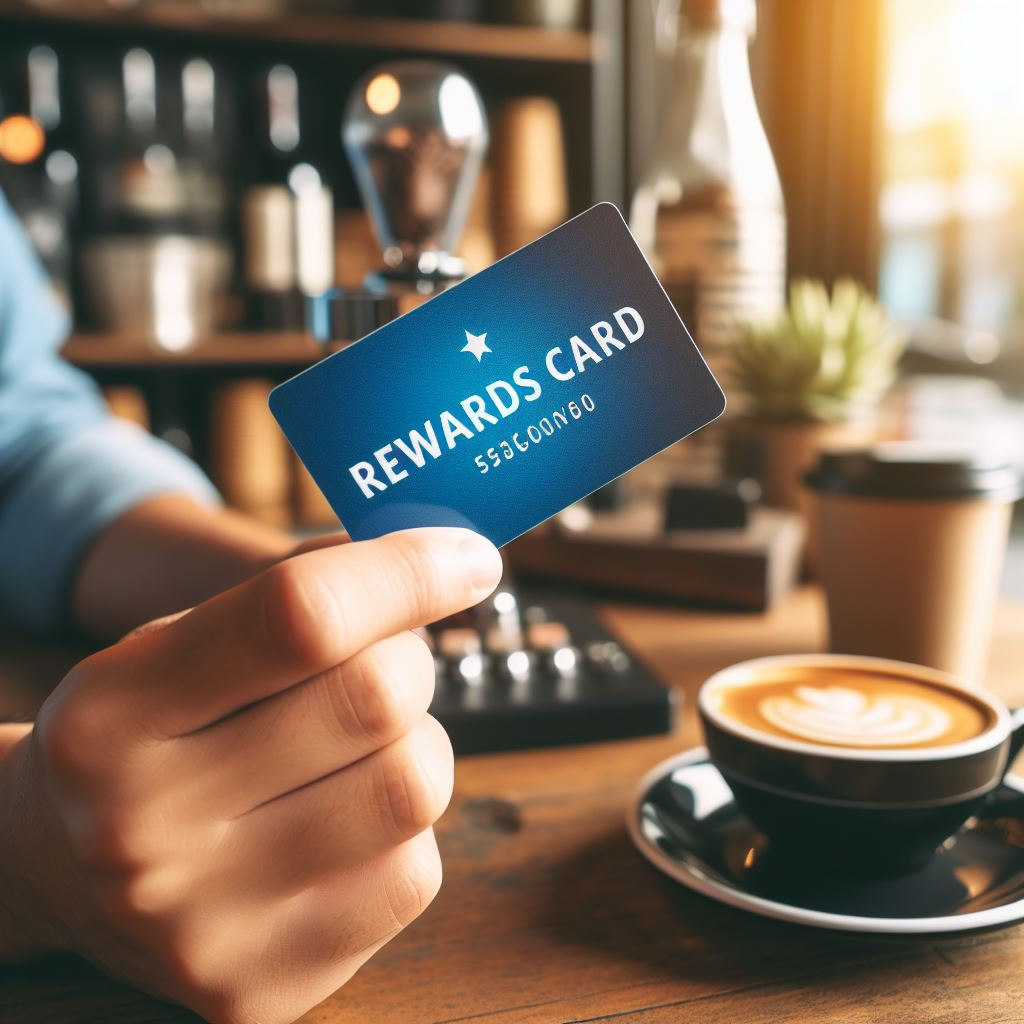
Loyalty cards and reward programs are effective marketing strategies that aim to increase customer loyalty and retention. Offering customers various benefits and rewards, such as discounts, cash back, points, or freebies, loyalty cards, and reward programs, encourage customers to shop more frequently and spend more at certain online stores or businesses.This can increase customer satisfaction, engagement, and lifetime value, reducing acquisition costs and slow seasons.
However, by signing up for these loyalty programs, customers often share their personal information, such as their name, email, address, phone number, or date of birth, with the store or the third-party company that manages the program. This information can be used to track their shopping habits, preferences, and spending patterns and to send them personalized offers, advertisements, or surveys.
Some of this information may also be shared or sold to other businesses or partners, which can increase their exposure to spam, phishing, or identity theft. Moreover, loyalty cards and reward programs can be vulnerable to data breaches or cyberattacks, which can expose or steal customers’ information and credit or debit card information linked to their loyalty cards or reward programs. This can lead to fraud, unauthorized purchases or transactions, or even synthetic identity creation.
The Temptation of Discounts
“Get 10% off your next purchase!” The allure of discounts is hard to resist. Whether it’s your favorite coffee shop, grocery store, or clothing brand, loyalty cards promise immediate gratification. Swipe, scan, or tap, and voilà! You’ve shaved a few dollars off your bill. But what’s the actual cost?
The Price of Personal Data
1. Tracking Your Every Move
Loyalty cards are like digital breadcrumbs. They follow you from aisle to aisle, noting your preferences, purchase history, and the time of day you shop. Retailers analyze this data to create detailed profiles. Suddenly, your love for organic produce and late-night snack runs becomes part of a larger narrative—a story they can sell to advertisers.
2. The Privacy Paradox
We willingly surrender our data for discounts, blissfully unaware of the implications. The paradox lies in this: We guard our physical wallets but fling open the doors to our digital lives. Our shopping habits, dietary choices, and brand loyalties are laid bare. And while we save a few bucks, our privacy slips through the cracks.
3. The Third-Party Tango
Ever wonder why you receive eerily relevant ads? It’s not magic; it’s data sharing. Loyalty programs often collaborate with third parties—marketing firms, credit card companies, and data brokers. Your loyalty card details become currency, exchanged for targeted ads. Suddenly, that personalized coupon feels less like a gift and more like a transaction.
Navigating the Maze
So, how do we navigate this maze of discounts and data? Here are a few tips:
Opt for Anonymity: Use a secondary email address and a pseudonym when signing up for loyalty programs. Keep your real identity under wraps.
Read the Fine Print: Those tiny font sizes matter. Understand what data you’re sharing and how it’s used. Knowledge is power.
Limit Your Loyalties: Do you need ten loyalty cards? Be selective. Choose the ones that truly benefit you.
Conclusion
Next time you reach for that loyalty card, pause. Consider the trade-off. Is the discount worth the digital breadcrumbs you leave behind? Perhaps, sometimes, paying the total price is the real bargain—for your privacy.
Remember, in the grand theater of discounts and data, you’re both the audience and the star. Choose your role wisely.